




What are Marine Plywood and Its Features?
One can never be vigilant enough when it comes to finding the right materials for our home. There is a variety of plywoods that are being used in the furniture-making industry such as Marine Ply, Flexible Ply, WPC etc. which are quite cumbersome. It is important to know about these plywoods and their uses before purchasing. People often choose marine plywood for various interior as well as exterior applications as it can withstand harsh climatic conditions. Numerous features of marine plywood make it the perfect choice for almost every part of a home or office including areas that are more exposed to water like the kitchen, bathroom and more.
As the name suggests, marine plywood has the ability to resist water effectively. The best marine plywood in India is made out of tropical hardwoods which make for a high-quality raw material. These woods reduce the risk of trapping water as they have a small core gap. Fine layers of such wood are glued together using high water-resistant chemical resins under controlled pressure. These resins are mostly synthetic and are water, termite and borer resistant. While using normal plywood, water gets inside the wood and causes it to rot which is not the case with marine plywood. The surface is entirely pore-less hence there is no chance of water sipping through. Its waterproof feature keeps the integrity of your appliance intact. This waterproof plywood is mostly used in constructing boats and their parts. Marine plywood is one of the best plywoods available in the market. It is an ideal solution for interior and exterior applications where the plywood is exposed to water or moisture. Marine plywood is manufactured in India as per the norms specified in IS:710. The final product undergoes a rigorous quality test to determine its real strength, durability and resistance. A boiling water test is also conducted before categorising it as marine plywood.
When it comes to making your home furniture, marine plywood is undoubtedly the best option as it doesn’t shrink or split in the long run and it is less likely to be infected by termites or fungus. As soon as the consumers become aware of marine plywood in India, the demand for this went higher. Homeowners and professionals started using it more frequently. At times commercial plywood is painted with a waterproof coating to pass it off as marine plywood in the market. Always check the test certificate and buy from a renowned brand to avoid falling into such traps.
Now that we know about marine plywood, Let’s explore its features:
I) Excellent water resistance – The most unique feature of marine plywood is its water resistance capacity. It can retain its integrity even after coming in contact with water. Phenol-Formaldehyde resin is used as an adhesive for making marine plywood which is also water resistant. This feature is highly beneficial for regions that have high levels of humidity.
II) Reduces delamination – The resin used for manufacturing waterproof plywood forms a strong layer and prevents delamination. The pore-less surface of the raw wood prevents water from seeping through which also helps to prevent the layers from delaminating.
III) Termite and Borer resistance – The glue line is treated with special chemicals which protect the plywood from termite and borers. This in turn increases the lifespan of marine plywood. In addition to this, the waterproof resin stops water droplets from leaving a stain on the surface of the plywood. Regions with high levels of humidity can avail themselves of this feature too.
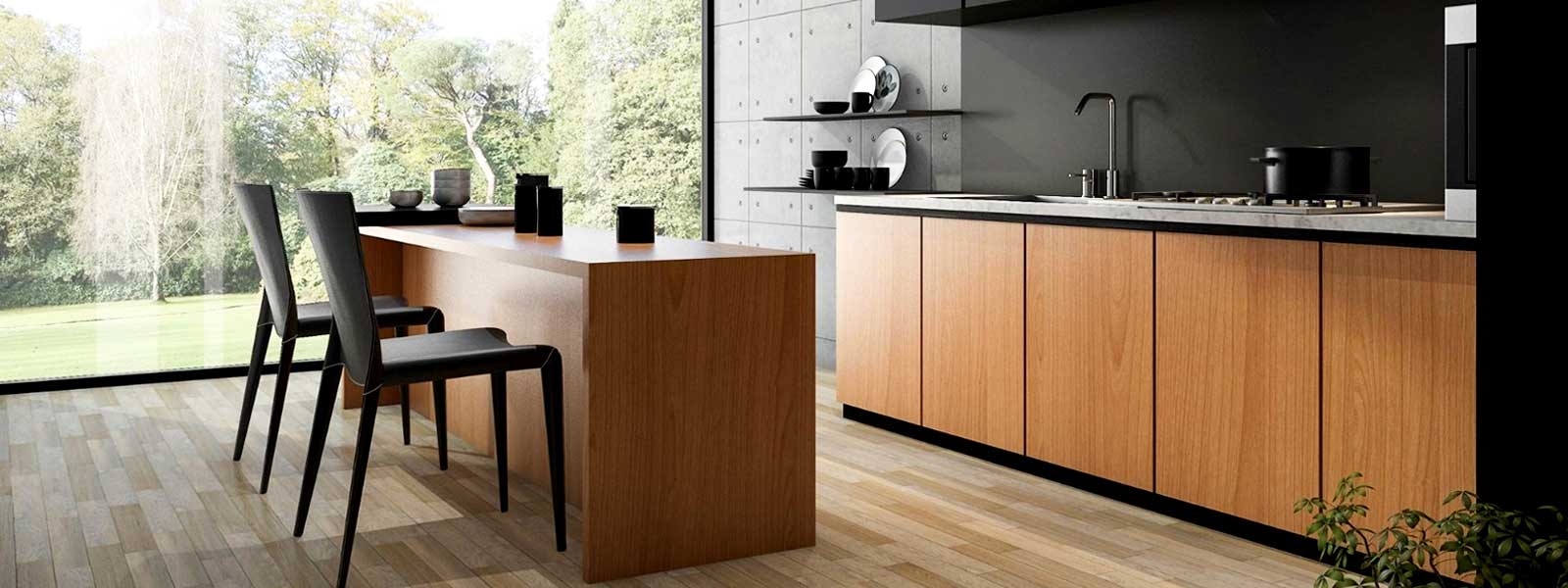
Installing a marine plywood appliance is definitely the best option for places like bathrooms, kitchens or areas that are likely to be affected by water. If you are searching for a marine plywood supplier to purchase marine plywood for your next residential or commercial project, please don’t hesitate to contact us. If you are still confused about which plywood works best for your specific need Bhutan Tuff has the answer to all your queries with an exclusive range of plywood to choose from.