




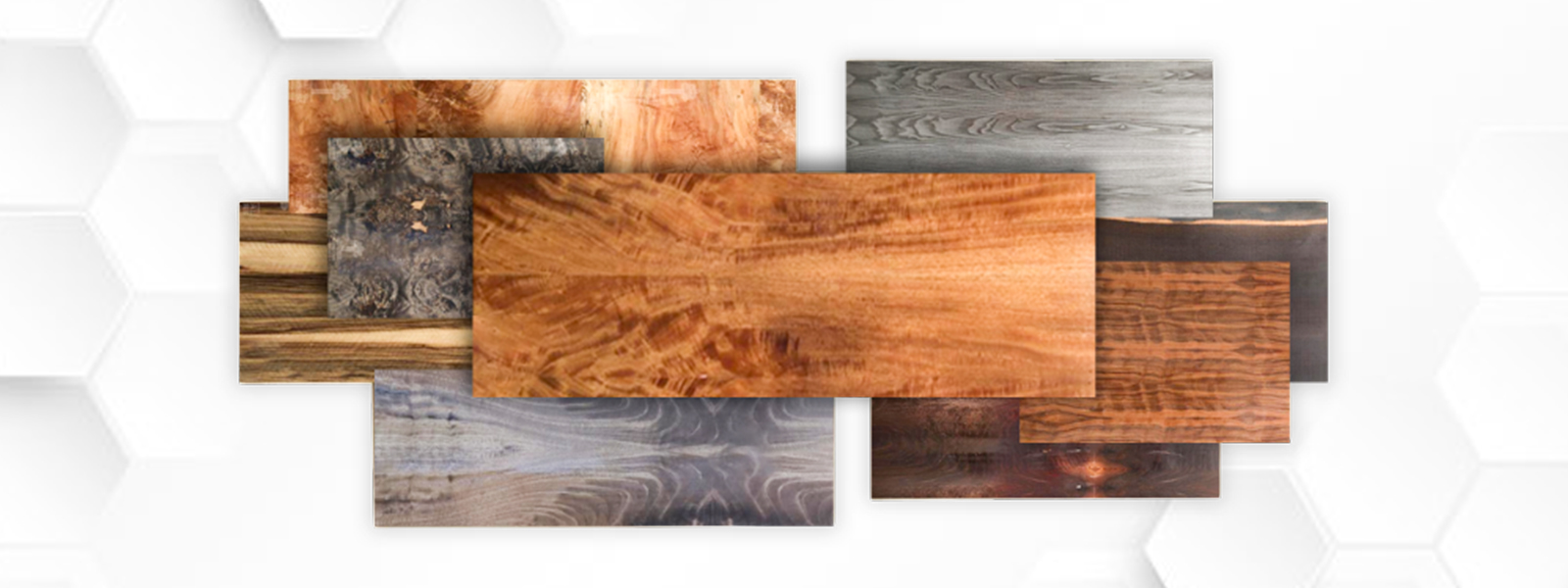

What is Veneer and Its Types
Anyone who is a woodworking enthusiast or even has a slight knowledge of furniture knows what Veneer is. Made from various wood species, such as mahogany, oak, and black cherry, Veneer sheets are thin slices of wood carefully that are extracted.
They offer an exquisite and cost-effective alternative to solid wood while preserving its natural charm. These thin, delicate slices of wood hold the power to transform ordinary pieces into extraordinary works of art. In this article, we’ll be discussing various types of veneers and how they find their applications in furniture craftsmanship.
What Are Veneer Sheets?
Veneer sheets are very thin slices of wood that have changed the way that woodworking and furniture manufacture are done. These sheets are made by delicately slicing or scraping logs into thin layers, which are then carefully fused onto a core material like plywood or MDF. Veneer sheets provide real wood’s visual appeal at a more affordable price.
Veneer sheets are available in a wide variety of wood species, coatings, and patterns, enabling artists and designers to create exquisite woodwork pieces. One of the main benefits of veneer sheets is their adaptability; they can be bent, sliced, and sculpted to make detailed designs and patterns that would be difficult to produce with solid wood.
Veneer sheets lend a touch of appeal to the design and craftsmanship, bringing to life stunning pieces of furniture. Additionally, veneer sheets offer stability since they are less likely to distort or fracture. Veneer sheets have developed as an essential tool for individuals looking to elevate their products with refinement and flair because of their combination of natural beauty, versatility, and affordability.
What Are Veneer Sheets Used For?
Veneer finds a wide range of applications in the realm of woodworking, offering both functional and aesthetic benefits. One of the primary uses of veneer is in furniture making, where it can be applied to surfaces such as tabletops, cabinet doors, and drawer fronts.
Moreover, Veneer sheets provide the appearance of solid wood while reducing costs and enhancing stability. At the same time, veneer sheets can be used to create decorative inlays and accents, adding intricate details and visual interest to furniture pieces. In interior design and architecture, veneer sheets find application in wall paneling, ceiling treatments, and moldings to enhance the aesthetic appeal of spaces.
Furthermore, Veneer is also utilized in the production of cabinetry, where it can be applied to both the interior and exterior surfaces, providing durability and a luxurious look. The versatility of veneer sheets makes them a valuable resource for adding beauty, durability, and creative flair to various products and industries.
Types Of Veneer Sheets!
Above we have discussed the wide variety of uses Veneer has in woodwork and architecture. However, all these applications must require different types of sheets for different purposes. And although there are various types of Veneer sheets available in the market these days, here’s a list of the most popular and commonly known ones.
Natural Wood Veneer:Natural wood veneer is derived from real wood species and showcases the natural grains, patterns, and colors of the chosen wood. It offers a timeless and authentic appearance to furniture and woodwork
Backed Veneers: Backed veneers are veneer sheets that have a backing material applied to enhance their stability and ease of handling during installation. The backing can be made of materials such as paper, fleece, or phenolic resin. This type of veneer is popular in large-scale applications, offering convenience and added durability.
Laminate veneer: This is a term for many kinds of veneer sheet material that have developed as a result of pressing along thin layers of wood. It is regarded as the most adaptable veneer and may be used successfully for a number of purposes.
Dyed Veneer: Dyed veneer sheets undergo a coloring process where vibrant pigments are applied to the wood fibers. This type of veneer offers a wide range of colors, allowing for bold and customized design options.
Reconstituted Veneer: Reconstituted veneer is a sustainable alternative created by blending real wood fibers, adhesives, and dyes to replicate the look of rare or costly wood species. This type of veneer offers the opportunity to achieve desired aesthetics while promoting environmentally-friendly practices.